
⎯⎯⎯⎯⎯ ◆ ⎯⎯⎯⎯⎯
Cells & Cellular Biology
⎯⎯⎯⎯⎯ ◆ ⎯⎯⎯⎯⎯
 Anatomy & Physiology
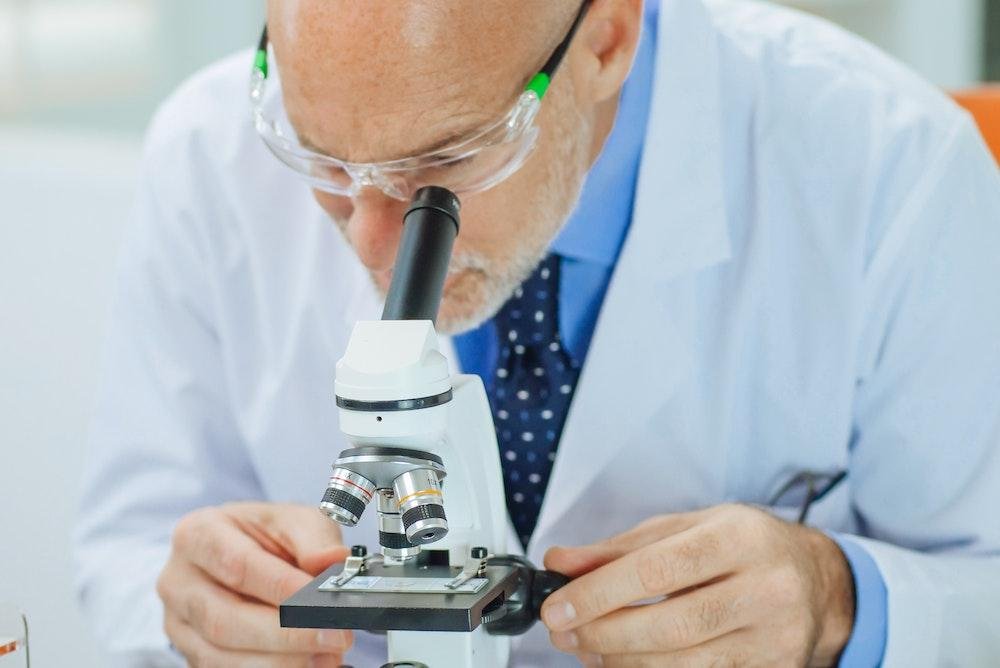
Vocabulary
apoptosis, ATP, autophagy, biology, cell biology, cells, metabolism, mitochondria, molecular biology, nucleus, organelles, stem cells

- APOPTOSIS — Programmed cell death, a part of healthy cellular functioning
- ATP — The primary energy source of animals and plants, produced by cells
- AUTOPHAGY — Meaning “self-eating,” refers to the body’s process of recycling non-beneficial cells or parts of cells
- BIOLOGY — The study of life
- CELL BIOLOGY — The study of how cells behave
- CELLS — The smallest “part” in our body that has all the characteristics of life, according to scientists; more than 30 trillion in the human body
- METABOLISM — The process of converting one form of energy into another
- MITOCHONDRIA — The site of energy production in cells; called the “powerhouse or battery” of the cell
- MOLECULAR BIOLOGY — The study of molecules within cells, specifically how DNA, RNA and proteins behave
- NUCLEUS — Known as the control center of the cell, holds DNA, determines which genes will be expressed and which will be suppressed (source)
- ORGANELLES — Membrane-bound structures with complex functions that live outside the nucleus within the cytoplasm
- STEM CELLS — Cells that do not yet have a specific role and can become almost any cell that is required; have been found in the embryo, placenta, bone marrow, lungs, liver, muscle, cartilage, spleen and fat tissue (source)
Cells: Small Packets of Life
Continue Reading with Ashtanga Tech
This study guide is available to members. Join to access 800+ in-depth guides on anatomy, philosophy, sequencing, and the science of practice.
Join for $5.50/mo — the cost of a DC coffeeAlready a member? Log in here
Discussion
or explore Student Union