
Core Fundamental Teachings
 Anatomy & Physiology
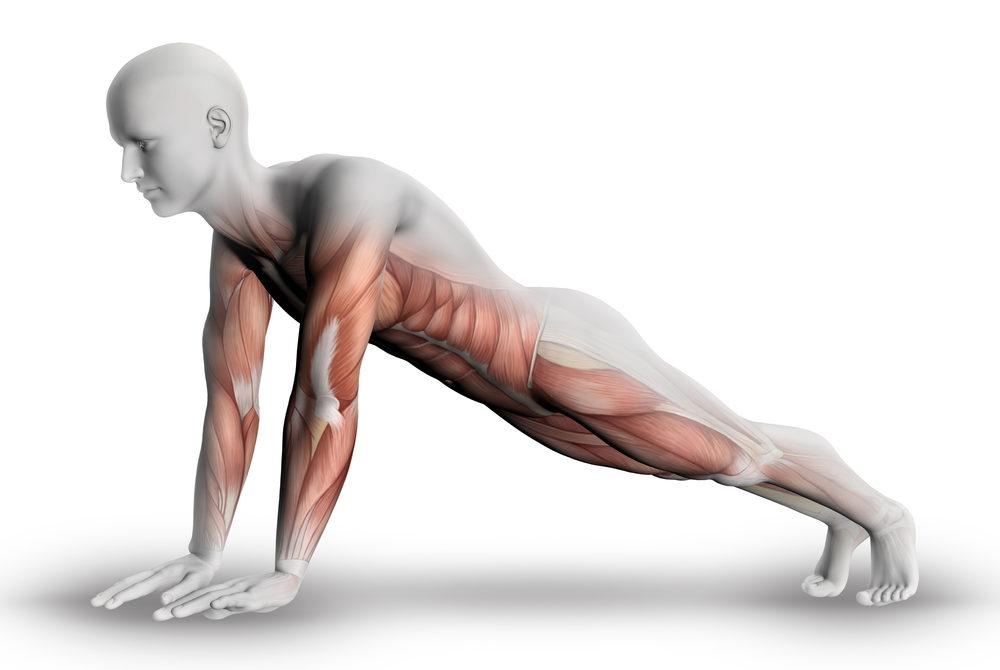
Foundational Teachings Overview
These four points are expanded on below.
- When teaching about the core, of fundamental importance is helping students gain awareness of their core musculature and how to feel and engage the deeper core muscles.
- As with other areas of the body, core muscles require a balance in strength and flexibility.
- A key factor in sustained core health is bringing awareness to movement patterns.
- There are various considerations that can help to inform your choice of practices and teachings.
TEACHING CORE ANATOMY HAS SELF-IMAGE RAMIFICATIONS & CAN BE SUPPORTIVE
The word “core” evokes mixed feelings for people. After many years of teaching I’ve seen that most people think their core is flawed in some way — they either think it’s too big or too weak or both. They carry a lot of emotion and insecurity attached to it. Since the core is so often entangled with our self-image, I think it’s even more important that we try to understand how it works. My hope is that by understanding its complexity we can start to appreciate all that it does for us instead of simply focusing on perceived flaws… In addition to the role they play in yoga, your core muscles provide a dynamic, living, breathing house for your digestive and reproductive organs. In a culture that’s six-packed obsessed, it’s normal to feel insecure about our core now and then. But, if you step back and appreciate the incredible complexity of this region — how it literally supports your life — you can’t help but be grateful. – Jason Crandell
Awareness & Inner Sense of Anatomy
When teaching about the core, of fundamental importance is helping students gain awareness of their core musculature and how to feel and engage the deeper core muscles.
- A key teaching is the basic anatomy and role of the core, and what defines a truly healthy core.
- Equally vital is learning how to find and feel core muscles and how to engage them.
- Isolating movements, working with small ranges of movement, using clear verbal cues and allowing time for students to observe inwardly and make connections can all help students to become better acquainted with their core.
- For an example of working with a smaller range of motion, see quote below.
WORK WITH A SMALLER RANGE OF MOTION
In table, try lifting one hand just an inch off the ground. This very small movement will immediately remove a “leg” from your table. Notice how your core engages to maintain your balance. – Karen Costa
See Also
Continue Reading with Ashtanga Tech
This study guide is available to members. Join to access 800+ in-depth guides on anatomy, philosophy, sequencing, and the science of practice.
Join for $5.50/mo — the cost of a DC coffeeAlready a member? Log in here
Discussion
or explore Student Union