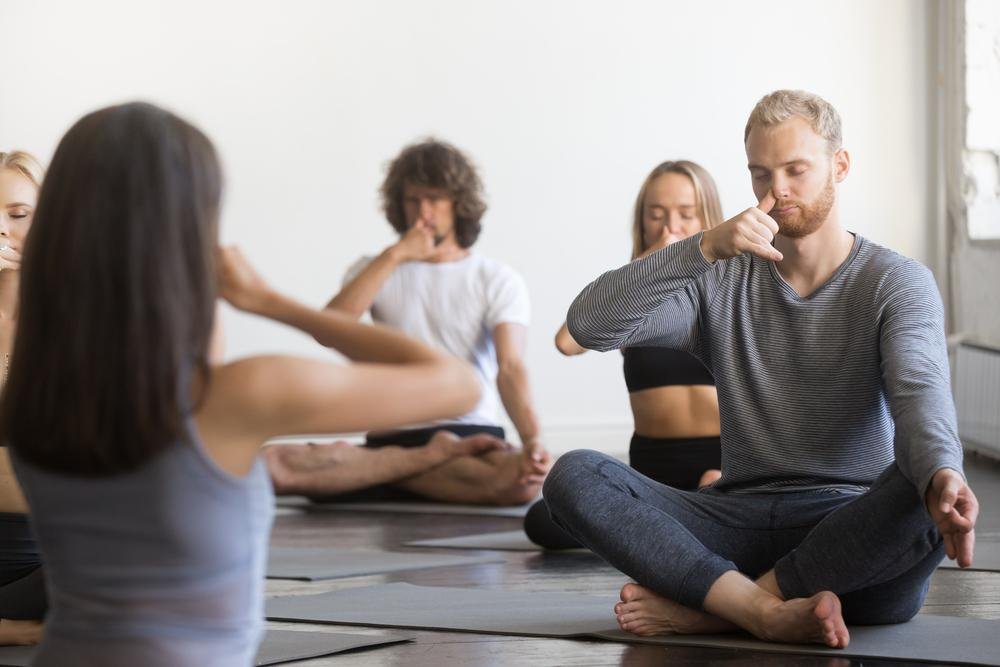
Teaching Yogic Breathing: From Foundations to Advanced Techniques
Teaching breath in yoga requires grounding students in foundational anatomy and mindful practice. Inefficient breath patterns like clavicular and thoracic breathing often reflect underlying tension and stress, which can be alleviated through guided diaphragmatic breathing.
Experts Gary Kraftsow and Mukunda Stiles emphasize conscious exhalation, involving progressive abdominal muscle contraction, to deepen breath and strengthen respiratory muscles. This technique facilitates better lung expansion, improves posture, and stabilizes the pelvic-lumbar relationship.
Advanced practitioners may explore diaphragmatic rib cage breathing, a nuanced skill that lifts and spreads the ribs while engaging the diaphragm, supporting deeper inhalations and enhancing backbends. Careful guidance is essential to avoid reverting to inefficient chest breathing patterns.
Teaching breath into the back body, as Leslie Kaminoff illustrates, encourages opening of the lower lobes of the lungs and stimulates circulation to vital organs, fostering holistic wellness.
For teachers and students alike, integrating breath awareness is a sadhana that cultivates consistency, presence, and harmony within the practice.
Learn more with these study guides: Pranayama Teaching Foundations, Effortless Natural Breathing, and Mastering Yogic Breathing Techniques.
Originally by Gary Kraftsow, Mukunda Stiles, Leslie Kaminoff in Ashtanga Tech — View Original