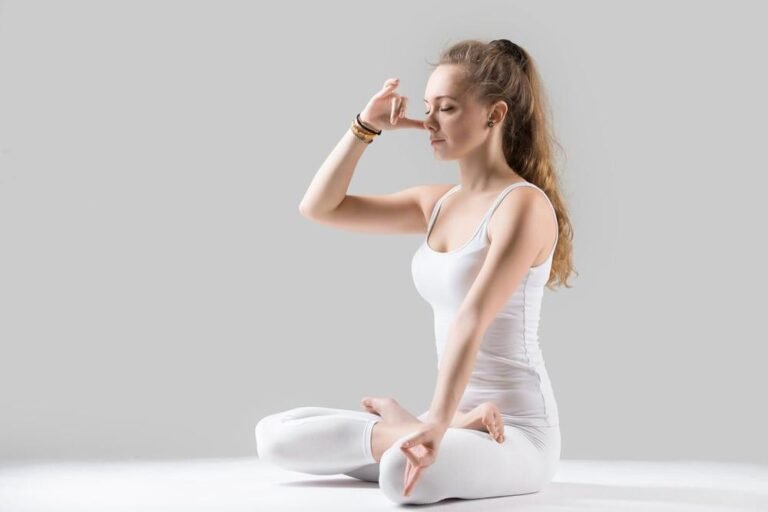
Foundations of Yogic Breathing: Unlocking the Power of the Diaphragm
“Questions about how to breathe are really questions about which muscles to use in order to expand the lungs and draw air into them.” – Rolf Sovik
Understanding breath is fundamental in yoga practice. Before delving into yogic breathing techniques, stable foundations must be laid. This involves exploring respiratory anatomy, the nervous system, and the subtle physical cues signaling improper breathing.
Clavicular breathing, characterized by shallow neck and upper chest movement, is inefficient and often linked to respiratory limitations. Thoracic breathing, primarily chest-based, while logical anatomically, tends to arouse the sympathetic nervous system, increasing tension and emotional stress.
True yogic breathing centralizes the diaphragm as the key muscle, facilitating deep, natural breaths that calm the body and mind. Conscious exhalation, as taught by experts like Gary Kraftsow and Mukunda Stiles, strengthens breathing muscles, increases tidal volume, and encourages breath movement to the back body, enhancing lung capacity and circulation.
Recognizing symptoms of improper breathing such as upper body tension, headaches, or facial tightness can guide practitioners towards healthier patterns. Integrated with breath awareness practices like diaphragmatic breathing, yogis cultivate balance between effort and relaxation, supporting mental clarity and emotional resilience.
Explore foundational concepts further with these study guides: Foundations of Breathing, Introduction to Respiratory Anatomy Part 1, and Nadi Shodhana Breathing Exercise.
In yoga, breath is the thread weaving movement and stillness into a seamless dance, guiding the practitioner into deeper states of presence and harmony.
Originally by Rolf Sovik, Donna Farhi, Mukunda Stiles in Ashtanga Tech — View Original