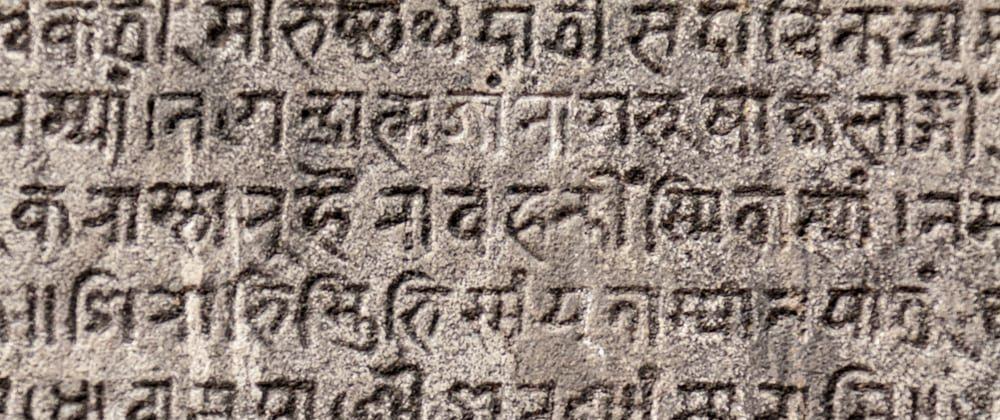
Sanskrit: Introduction
Introduction “Sanskrit” means “refined,” “perfected,” “polished,” “sanctified, “perfectly or entirely done.” Often called “the mother of all languages,” Sanskrit is one of the oldest languages on Earth. (And a number of sources say it is the oldest language. Others claim the oldest to be Sumerian. Much more on that subject here.) It is the liturgical (public worship, services) language of Hinduism, Buddhism and Jainism. Sanskrit is one of the 22 official languages of India. Sanskrit is called a “sacred” or “spiritual language” and is regarded as a vibrational and healing language. It originated from oral traditions and was developed to communicate spiritual insights. (Nicolai Bachman) “It includes many words for spiritual experiences and concepts that have no equivalents in other languages.” (Russill Paul) Nearly all Sanskrit literature is in verse.