
Anatomy of the Spine & Posture Teaching Considerations
 Anatomy & Physiology
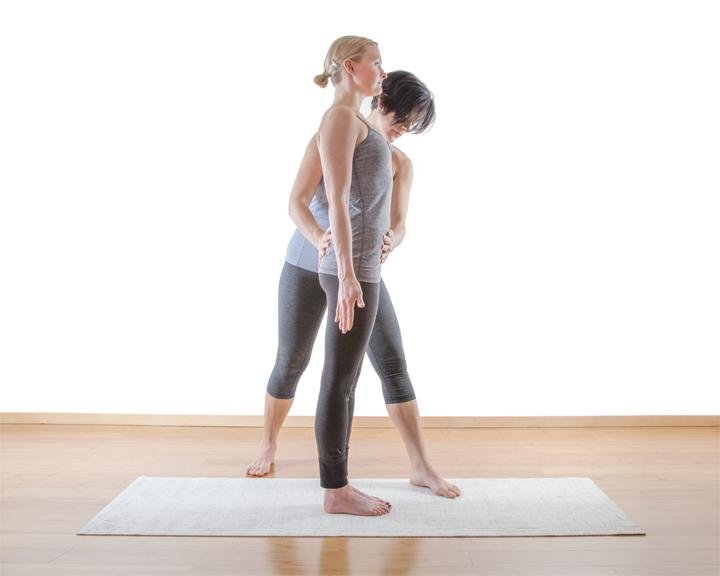
Overview
In this lesson, we apply knowledge of spinal anatomy, posture and movement patterns to teaching.
Objective
Apply knowledge of spinal anatomy, posture and compensatory movement patterns to support effective teaching of individual students, and review sequences that may help with teaching healthy posture.
What You'll Get
Explain two primary objectives of asana that relate to the spine. Understand compensation as it relates to spinal curves and why it’s important. Be aware of three initial teachings related to the spine that may be effective with students and how to teach students to feel their natural spinal curves. Describe a simple exercise for students to learn more about their particular body and potential compensation patterns. Name two common compensation-related issues and teachings that can help students to address them. Review sequences that may help with teaching healthy posture and awareness of subconscious postural patterns.
Introduction
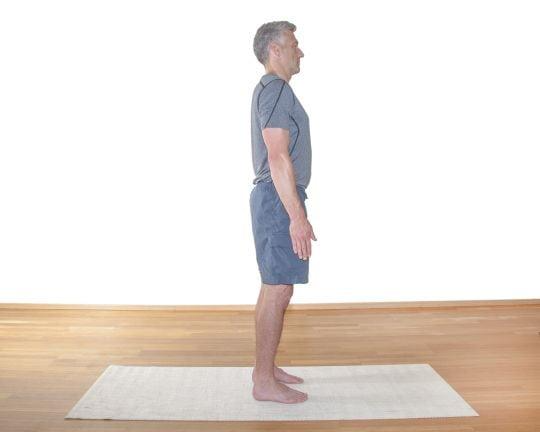
ROM & Natural Curves
Key objectives of asana practice include these:
- Move the spine through its full range of motion.
- Restore and preserve the natural curves of the spine.
Continue Reading with Ashtanga Tech
This study guide is available to members. Join to access 800+ in-depth guides on anatomy, philosophy, sequencing, and the science of practice.
Join for $5.50/mo — the cost of a DC coffeeAlready a member? Log in here
Discussion
or explore Anatomy & Physiology