
Brain Anatomy Models & Terminology
 Anatomy & Physiology
Overview
In this lesson, we introduce the anatomy of the brain.
Objective
Gain an understanding of the foundational anatomy of the brain, and how various models and terminology differ and relate.
What You'll Get
Describe the brain’s role and relationship with the nervous system and the endocrine system, and particularly how hormones to the brain. Explain how the brain is supplied with oxygen and nutrients, and other basic anatomy. Describe a number of models for brain anatomy and where the various parts of the brain are located. Provide numerous synonymous terms used to refer to parts of the brain. Explain the brain’s functions. Describe factors that impact brain health. Define neuroplasticity.
Context: The Nervous System & Endocrine System
The Nervous System
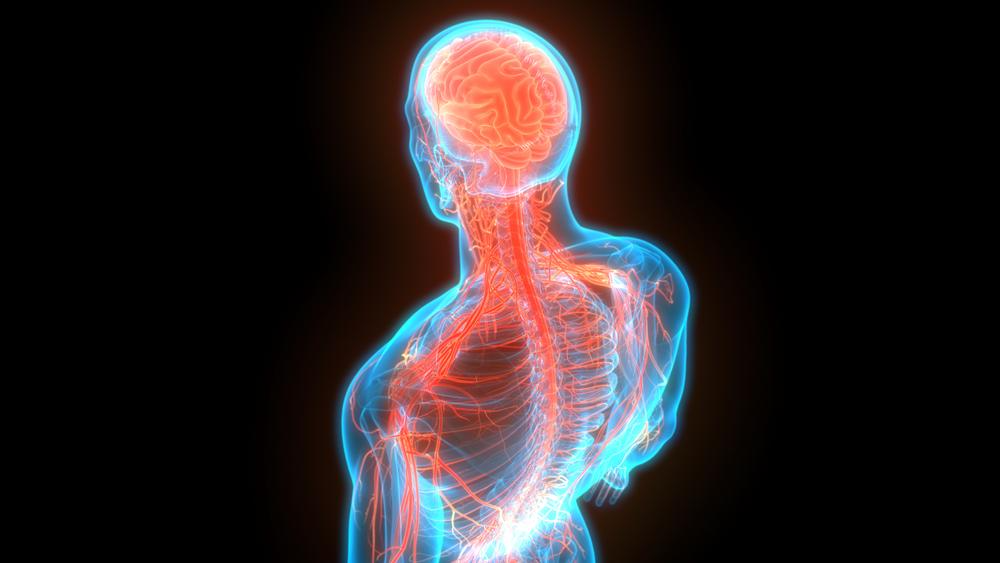
Our brain is the intricate operating center for the nervous system, which is continually collecting data from the environment, storing it, and processing it for us to function. – Amanda Kriebel
- The nervous system is key to the practice and effectiveness of yoga. It is made up of the brain, spinal cord, neurons, nerves, meninges, cerebrospinal fluid and sensory receptors.
- The central nervous system (CNS) refers specifically to the brain and spinal cord.
- If you aren’t thoroughly familiar with the nervous system, we recommend that you focus first on that vital topic of study: Nervous System Overview.
Continue Reading with Ashtanga Tech
This study guide is available to members. Join to access 800+ in-depth guides on anatomy, philosophy, sequencing, and the science of practice.
Join for $5.50/mo — the cost of a DC coffeeAlready a member? Log in here
Discussion
or explore Anatomy & Physiology