
⎯⎯⎯⎯⎯ ◆ ⎯⎯⎯⎯⎯
Physiology of Flexibility & Stretching
⎯⎯⎯⎯⎯ ◆ ⎯⎯⎯⎯⎯
 Anatomy & Physiology

Vocabulary
active stretching, dynamic stretching, facilitated stretching, flexibility, passive stretching, proprioceptive neuromuscluar facilitation (PNF), resistance stretching, static stretching, stretching, tensile load

- ACTIVE STRETCHING — Contracting the muscle in opposition to the targeted stretching muscle
- DYNAMIC STRETCHING — Stretch done with movement
- FACILITATED STRETCHING — Another name for Proprioceptive Neuromuscular Facilitation (PNF)
- FLEXIBILITY — The ability to move (without pain or restriction) through a joint’s range of motion
- PASSIVE STRETCHING — Many non-yoga sources define it as using an outside force such as a partner; most yoga sources likely mean what Ray Long calls Passive Static Stretching, defined as relaxing into the stretch such as in a Restorative Pose
- PROPRIOCEPTIVE NEUROMUSCULAR FACILITATION (PNF) — A muscle group is passively stretched, then contracts isometrically against resistance while in the stretched position, and is then passively stretched again
- RESISTANCE STRETCHING — Stretch is done with contraction while lengthening (eccentric contraction)
- STATIC STRETCHING — Stretch is performed with no outside force and no movement, and is held for some period of time
- STRETCHING — Affects the nervous system in a way that relaxes muscle fibers (Many other definitions included in lesson)
TENSILELOAD / TENSILE STRENGTH — One of many ways that stretching is defined; refers to the greatest pulling force that a material can withstand without breaking; “tensile” refers to pulling apart in contrast to “compressive” which refers to pushing together
What Is Flexibility & What Limits It?
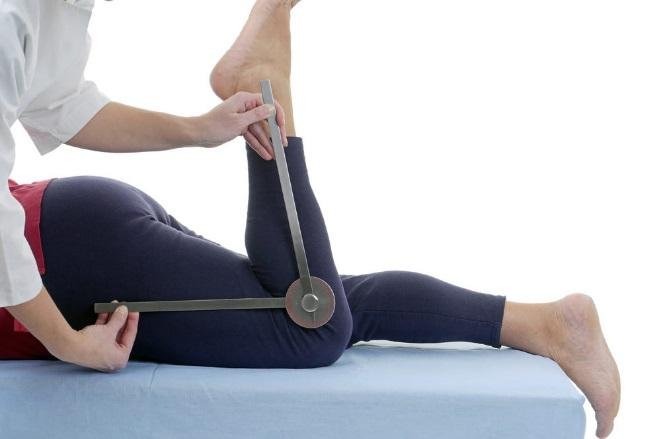
What Is Flexibility?
- Flexibility refers to the ability to move (without pain or restriction) through a joint’s range of motion.
- It is not something general but specific to a particular joint or set of joints. (MIT)
Continue Reading with Ashtanga Tech
This study guide is available to members. Join to access 800+ in-depth guides on anatomy, philosophy, sequencing, and the science of practice.
Join for $5.50/mo — the cost of a DC coffeeAlready a member? Log in here
Discussion
or explore Student Union