
Introduction to Systems Theory
 Research, Systems, and Inspiration
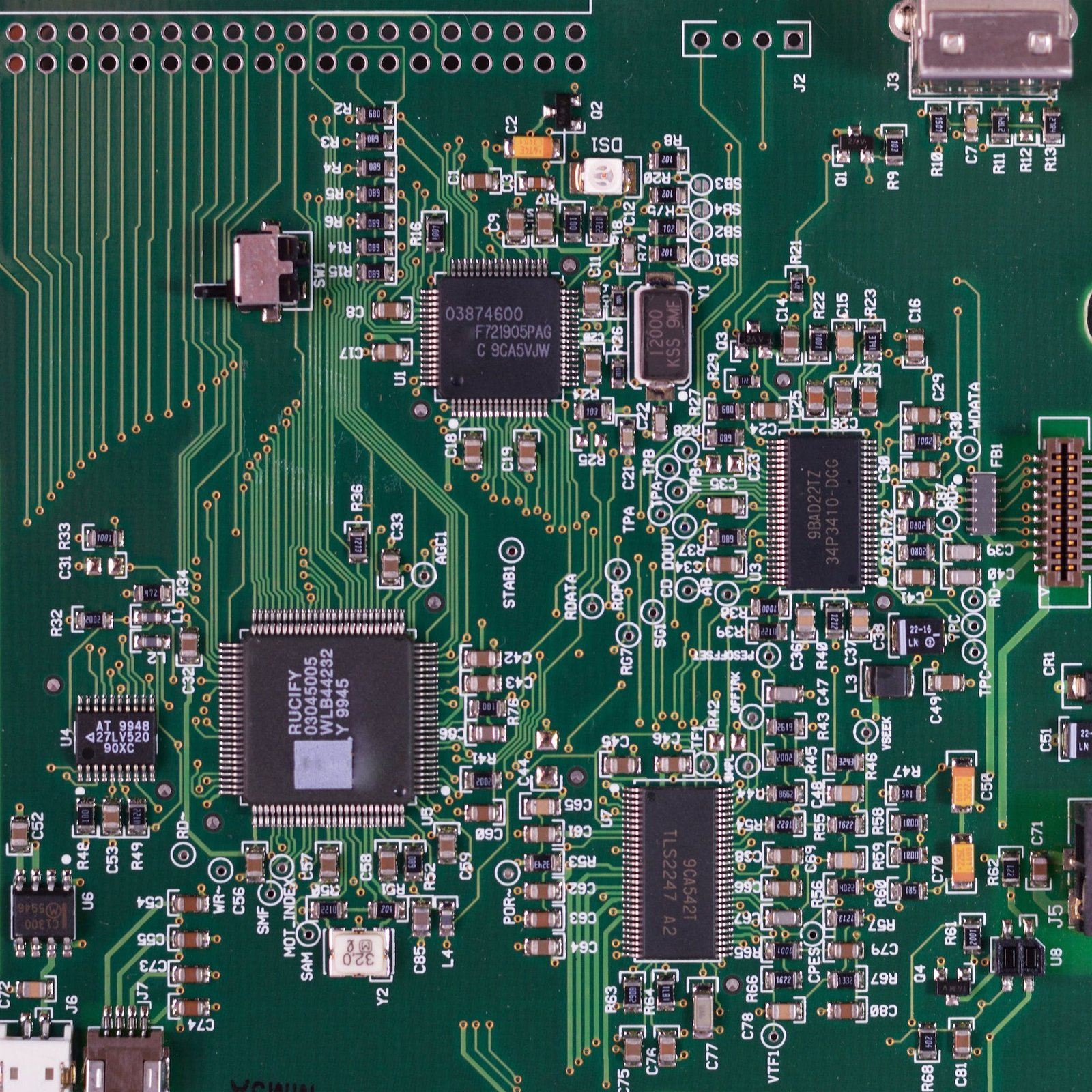
Introduction
Systems theory is a conceptual framework that explores the complex interactions within various systems, whether they are biological, social, ecological, or mechanical. It focuses on understanding how different parts of a system relate to each other and to the system as a whole. This approach helps in comprehending the complexities and dynamics of different domains. By analyzing how components interact and influence each other, systems theory provides insights into the overall behavior and functioning of the system, emphasizing the interconnectedness and interdependence of its elements.
Components of a System
In systems thinking, a system is viewed as a complex whole formed by interrelated and interdependent elements or components. These components work together to perform a function or achieve an objective. The key elements or components in a system, according to systems thinking, typically include:
- Elements or Components: These are the individual parts of the system. They can be objects, entities, or agents, depending on the nature of the system. For example, in an ecological system, these could be different species of plants and animals; in a computer system, these could be hardware and software components.
- Relationships and Interconnections: This refers to how the elements of the system are connected and interact with each other. The nature, strength, and dynamics of these relationships determine how the system behaves. For instance, in a social system, relationships might include communication, influence, and power dynamics.
- Boundaries: Boundaries define the scope of the system by distinguishing what is inside the system from what is outside. The boundary is crucial for understanding what is part of the system and what is part of the system's environment.
- Stocks and Flows: In systems thinking, stocks represent accumulations of resources or quantities, while flows represent the rates at which stocks are added or depleted. Understanding stocks and flows is crucial for analyzing system dynamics.
- Inputs and Outputs: Systems receive inputs from their environment, which they process to produce outputs. Inputs can be resources, energy, information, etc., and outputs are the results or products of the system's processing of inputs.
- Processes: These are the actions or activities within the system that transform inputs into outputs. Processes are often where the work of the system happens, and they can be physical, biological, mechanical, or cognitive in nature.
- Feedback Loops: Feedback mechanisms are vital in systems as they allow the system to adjust and regulate its behavior. Feedback can be positive (amplifying changes) or negative (dampening changes), and it helps the system maintain stability or adapt to changes.
- Goals or Purposes: Many systems have defined objectives or purposes, which guide their functioning. The goals of a system determine its desired outputs and influence how its components work together.
- Emergent Properties: These are properties or behaviors that emerge from the interaction of system components but are not properties of the individual components themselves. For example, the consciousness of a human brain is an emergent property of the neural network within the brain.
Continue Reading with Ashtanga Tech
This study guide is available to members. Join to access 800+ in-depth guides on anatomy, philosophy, sequencing, and the science of practice.
Join for $5.50/mo — the cost of a DC coffeeAlready a member? Log in here
Discussion
or explore Student Union