
Inclusive & Accepting Word Choice
 Teaching Arts
Overview
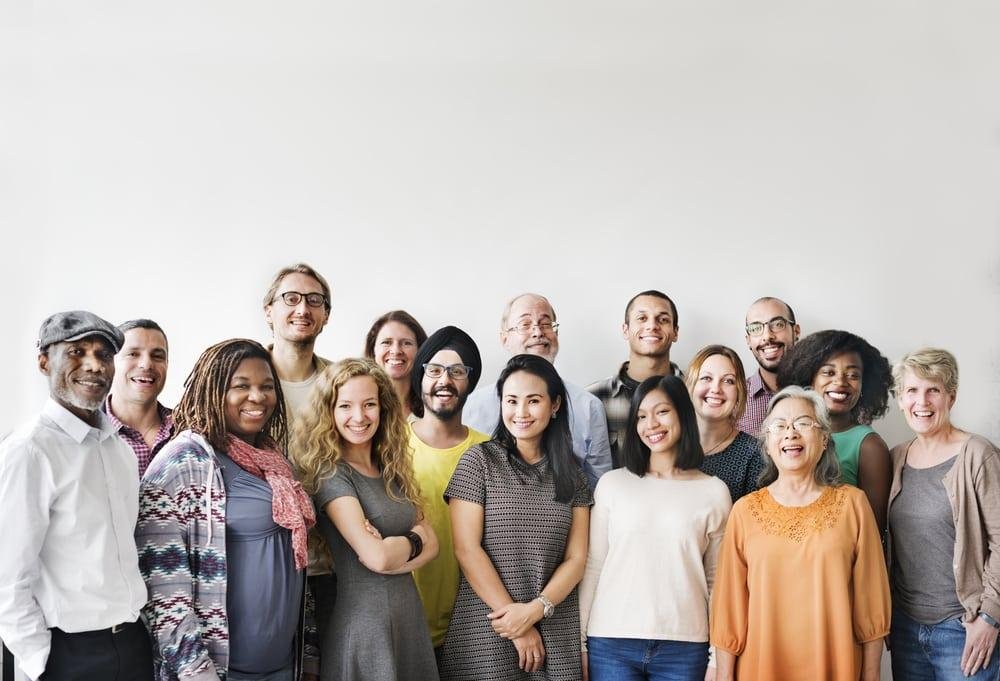
In this lesson, we review the effects of a teacher’s word choice in creating an inclusive and accepting practice space.
Objective
Become competent in choosing words that inspire an inclusive and accepting environment in which to practice yoga.
What You'll Get
Explain an implication of the word “minority” vs. “diversity.” Describe ways that teaching might imply a hierarchy of value or accomplishment. Provide potential benefits of using invitational language and provide an example. Describe the difference between invitational language and giving wishy-washy instructions. Give an example of an inappropriate assumption about students’ relationships with their bodies. Read and summarize the Accessible Yoga article, “Disability Culture 101.”
Introduction
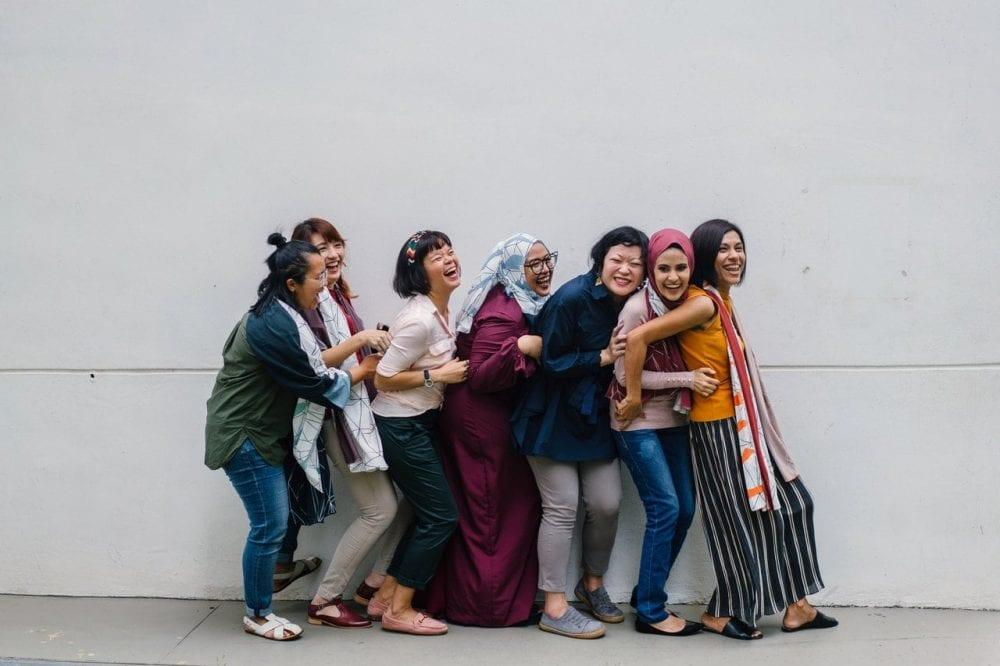
Here we offer specific examples of wording that can help you to:
- Be inclusive, accepting and non-judgmental.
- Inspire acceptance and self-love.
- Empower.
EACH STUDENT FEELS EMPOWERED & SAFE
My goal is for my class to be a place where each student feels empowered and safe in the body they bring to the mat today. Through the lens of that mission, I’d like to share effective ways of making language and asana cues more inclusive for students of all shapes, sizes, ages, and abilities. – Amber Karnes
AN EVOLUTION IN WORDS: DIVERSITY VS. MINORITY
Minority is a loaded word. In my understanding it is a label that means “less than”… Diversity is a word that means “more than.” The term minority itself creates the idea or feeling of exclusion. It is time to retire this word. Diversity is a word that encourages inclusion by illuminating what is different in all of us. – Dianne Bondy
THE BODY IS NOT THE PROBLEM TO BE SOLVED
Asana is often cued, by default, for an able-bodied, thin, flexible, strong ideal. Now, accessibility has begun to infiltrate the ethos, so I might hear teachers cue “if you’re not flexible enough” or “if you can’t do that” and invite students to use props in a very defined way, so their inept bodies no longer stop them from experiencing the pose. In this scenario, we are perpetuating the belief that the body is the problem to be solved. I challen ge you to shift focus so that the body is not the problem, but the elements that make up a pose are the problems. Break apart these big skills to their parts and give everyone in the room the opportunity to participate in a progressive strength building experience by offering a range of options that all focus on the same elements. – Carly Stong
See Also
Avoid Hierarchical & Value-Based Wording
Continue Reading with Ashtanga Tech
This study guide is available to members. Join to access 800+ in-depth guides on anatomy, philosophy, sequencing, and the science of practice.
Join for $5.50/mo — the cost of a DC coffeeAlready a member? Log in here
Discussion
or explore Teaching Arts