
⎯⎯⎯⎯⎯ ◆ ⎯⎯⎯⎯⎯
Joint Movements & ROM
⎯⎯⎯⎯⎯ ◆ ⎯⎯⎯⎯⎯
 Anatomy & Physiology
Vocabulary
active ROM (AROM), passive ROM (PROM), range of motion (ROM), ROM standards or norms

- ACTIVE ROM (AROM) — A joint’s range of movement determined by “voluntary movement” (without any external aid)
- PASSIVE ROM (PROM) — A joint’s range of movement that occurs from an external force helping to move the body
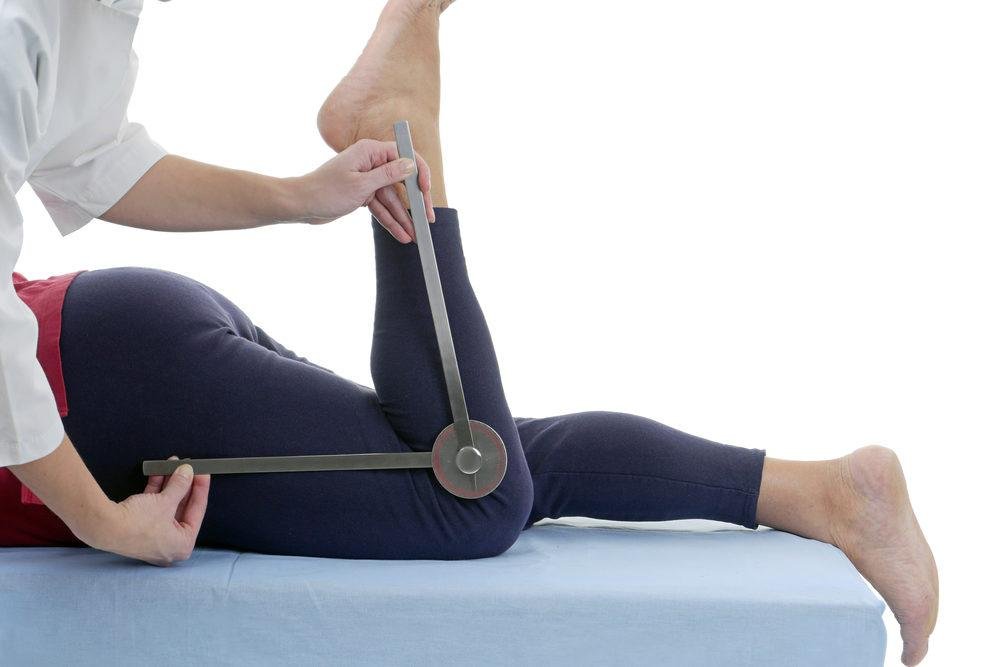
- RANGE OF MOTION (ROM) — The degree of movement that occurs at a joint, measured in degrees of a circle
- ROM — Abbreviation for range of motion
- ROM STANDARDS OR NORMS — Ideal range of movement for joints as defined by specialists in orthopedics, physical therapy and related fields
ROM & ROM Standards
ROM Defined
The degree of movement that occurs at each joint is called its range of motion (ROM).
- ROM is measured in degrees of a circle.
- Active Range of Motion (AROM) is determined without any external aid.
- Passive Range of Motion (PROM) occurs from an external force helping to move the body.
Continue Reading with Ashtanga Tech
This study guide is available to members. Join to access 800+ in-depth guides on anatomy, philosophy, sequencing, and the science of practice.
Join for $5.50/mo — the cost of a DC coffeeAlready a member? Log in here
Discussion
or explore Student Union