
⎯⎯⎯⎯⎯ ◆ ⎯⎯⎯⎯⎯
Yoga Mythology Introduction
⎯⎯⎯⎯⎯ ◆ ⎯⎯⎯⎯⎯
 Humanities
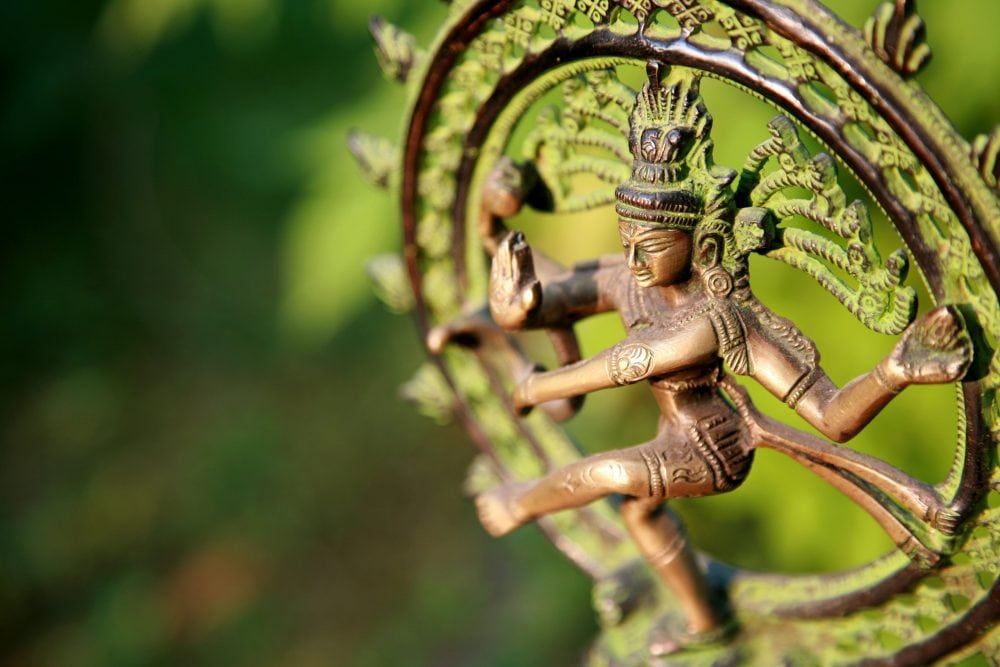

- BRAHMAN — Unbound potential, universal intelligence, the formless spirit of the Universe; not to be confused with gods and goddesses or with the god Brahma
- DEITY — A god or goddess
- DEVA — Sanskrit word: “god, “good spirit,” “shining one”
- DEVI — Sanskrit word: feminine version of “devi”
- GOD — Masculine personification of transpersonal forces
- GODDESS — Feminine personification of transpersonal forces
- ISHTA DEVATA — Sanskrit phrase: a worshipper’s personal preferred deity
- MYTH — Traditional stories that represent a world view of a people
- PANTHEON — Recognized gods of a people
Myths & Deities
Myths
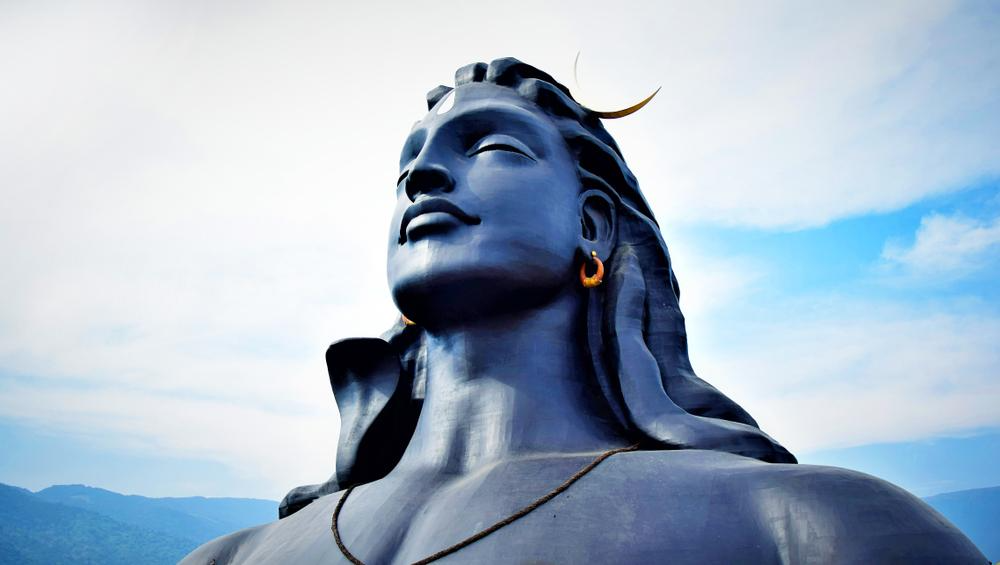
Myths are traditional stories that represent a world view of a people.
- Myths are stories, but not all stories are mythic.
- Yoga’s myths reflect “the cosmic forces that are timeless and universal in nature.” (Shiva Rea)
- See this 3-minute video by R.R. Shakti, PhD for an excellent message on the power of myths and stories: The Power of Myth and Story to Heal and Transform.
- See this excellent 30-minute Gaia documentary featuring experienced guides: The Power of Yoga Mythology.
It has been said that next to hunger and thirst, our most basic human need is for storytelling.
– Khalil Gibran
Continue Reading with Ashtanga Tech
This study guide is available to members. Join to access 800+ in-depth guides on anatomy, philosophy, sequencing, and the science of practice.
Join for $5.50/mo — the cost of a DC coffeeAlready a member? Log in here
Discussion
or explore Student Union