
Drishti Introduction
 Yoga Techniques and Fitness

Sanskrit

Some translations for the Sanskrit word drishti include:
- Gaze
- Pure Seeing
- Vision
- Point of View
- Insight
- Intelligence and Wisdom
Introduction
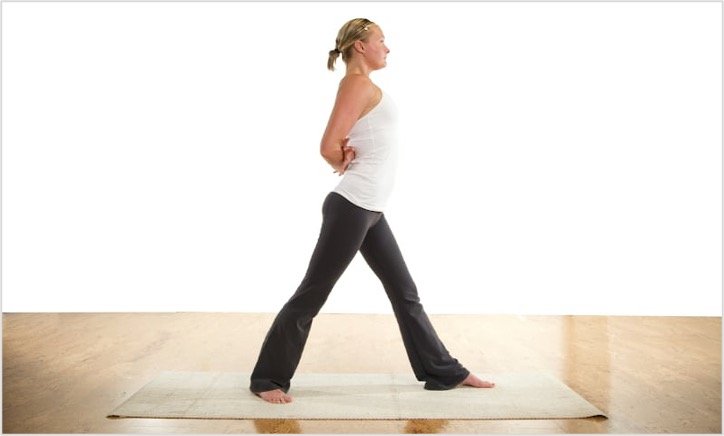
Drishti is a gazing direction associated with asana, kriyas, meditation and other yoga practices.
Drishti helps to:
- Develop concentration and attention.
- Calm the nervous system.
- Draw energy inward.
- It may also help to improve asana alignment.
CONCENTRATED FOCUS
Drishti is a single-pointed gaze, a concentrated still point that we cultivate with our eyes in yoga… This concentrated focus creates a strong sense of being fully present in the moment, with the strength and attitude of a warrior. Wherever our attention goes, energy flows. You might say that your attention is one of the most important and essential characteristics you have as a human being, for you can create great things with a positive quality of attention. – Aimee Hughes
CONCENTRATES MIND & DRAWS ENERGY INWARD
Through drishti, you can cultivate a deeper level of concentration, improve your alignment, and tune into the inner sensations of the body in every pose, so that you’re practicing the way the ancient sages intended — with full awareness. As yoga expert David Frawley writes in Inner Tantric Yoga, “Fixing the gaze…not only concentrates the mind but draws our energy inward along with it, extending the action of pratyahara, or the yogic internalization of the prana and the senses. – Jennifer Allen Logosso
CALMS THE NERVOUS SYSTEM
Between holding the physical pose and getting my breath right, sustaining a single-pointed gaze never feels quite as pressing. But there’s a reason drishti is revered as a core yogic principle… “When you’re gazing at one focal point, it helps calm the breath, the nervous system, and the heart rate,” says Miranda Mitchell, Mysore teacher and founder of Daily Drishti Health and Wellness. “A lot of people overlook these benefits altogether.” – Marianne Hayes

Teaching & Practice Guidelines
- Avoid force and strain.
- In asana, a generally effective gaze is in the direction of the stretch.
- In difficult asana, shift the gaze gradually to more challenging points.
- Mindfully choose from external and internal drishtis.
See more detail below.
Continue Reading with Ashtanga Tech
This study guide is available to members. Join to access 800+ in-depth guides on anatomy, philosophy, sequencing, and the science of practice.
Join for $5.50/mo — the cost of a DC coffeeAlready a member? Log in here
Discussion
or explore Student Union