
Meditation Teaching Tips & Considerations
 Yoga Techniques and Fitness

Overview
In this lesson, we explore the practical teaching of meditation.
Objective
Become knowledgeable in how to apply the philosophy and knowledge of meditation to practical and effective teaching.
What You'll Get
Describe how teachers of meditation can support students and provide preparatory practices for consideration. Explain an element of meditation that is crucial to teach and a variety of additional teaching points. Explain why teachers are advised to “not push” students who are caught in resistance and provide the next step for those who wish to advance in practice. Explain the most potent and effective times to meditate according to yoga wisdom.
Sincerely Meditate

As with all topics, teachers are advised to teach only that which they have practiced extensively. Thus, teachers of meditation are advised to sincerely meditate. Some teachers start a yoga practice with meditation; others believe it’s best taught after asana and pranayama. Be comfortable and experienced in what you choose, and know why you’re choosing it.
A TRUE MEDITATION TEACHER DOESN’T JUST GIVE INSTRUCTIONS
A true meditation teacher doesn’t just give instructions. Their words contain meditative energy, so that people can access the state of meditation by being in their presence. That said, a teacher who sincerely meditates himself, and who has had some training with a reliable teacher, can be very good in teaching the basics, and can be helpful to students by encouraging them to meditate… Start with a simple pranayama… Often, reading a beautiful passage from a poet like Rumi, or from a teacher who embodies meditative awareness will help kindle meditation. But above all, I’d suggest that an asana teacher who wants to introduce her students to meditative practice begin with herself… Add a minute a day until you can sit for half an hour at a time, and then journal about your practice. Meditation will begin to unfold in you, and you’ll learn about meditation from the inside. That’s when your teaching will have power. – Sally Kempton
Meet Students Where They Are
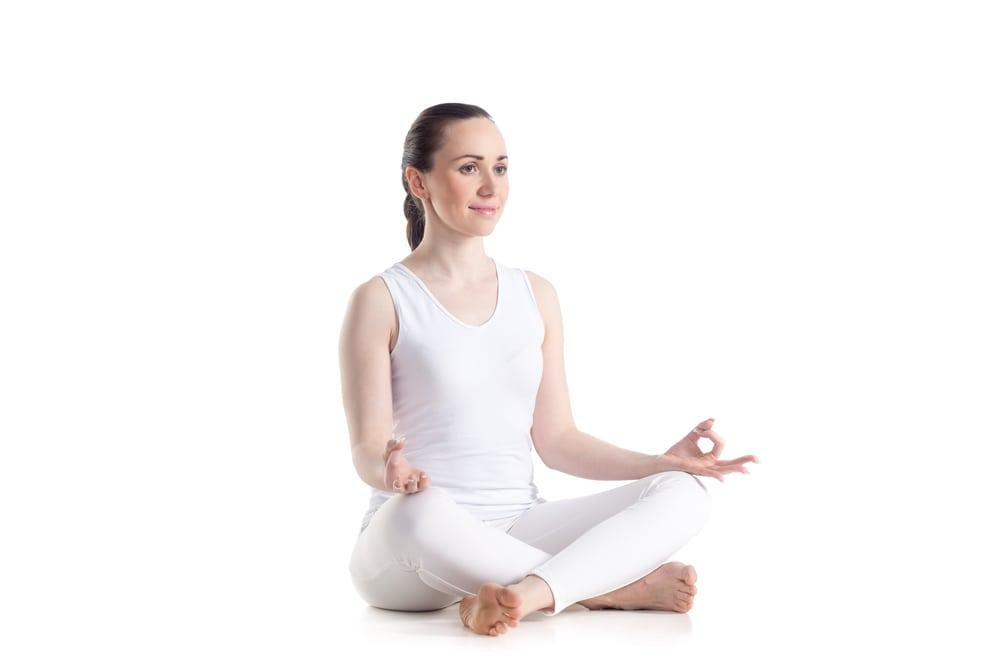
By definition, teachers are more entrenched in the subject matter than their students and are expected to introduce practices that stretch students to learn and grow. However, there is also a consideration of not overly “pushing” topics on students who are not ready. Jon Kabat-Zinn notes that it in some cases, it may not be wise to spend time on teachings that students aren’t ready for:
RESISTING & OBJECTING
The opening sentence of the brochure in which we describe the mindfulness retreats for business leaders reads: “Meditation is not for the faint-hearted nor for those who routinely avoid the whispered longings of their own hearts.” That sentence is very much there on purpose, with the aim of immediately discouraging from attending those who are not yet ready for the timeless, who wouldn’t understand or even make enough room in their minds or hearts to give such an experience or understanding a chance. If they came to one of our programs, chances are they would be fighting with themselves the whole time, thinking the meditation practice they would be asked to engage in was nonsense, pure torture, or a waste of time. Chances are they would be so caught up in their resisting and objecting that they might never settle into the precious and preciously brief moments we ever have to work together in such ways. – Jon Kabat-Zinn
Continue Reading with Ashtanga Tech
This study guide is available to members. Join to access 800+ in-depth guides on anatomy, philosophy, sequencing, and the science of practice.
Join for $5.50/mo — the cost of a DC coffeeAlready a member? Log in here
Discussion
or explore Yoga Techniques