⎯⎯⎯⎯⎯ ◆ ⎯⎯⎯⎯⎯

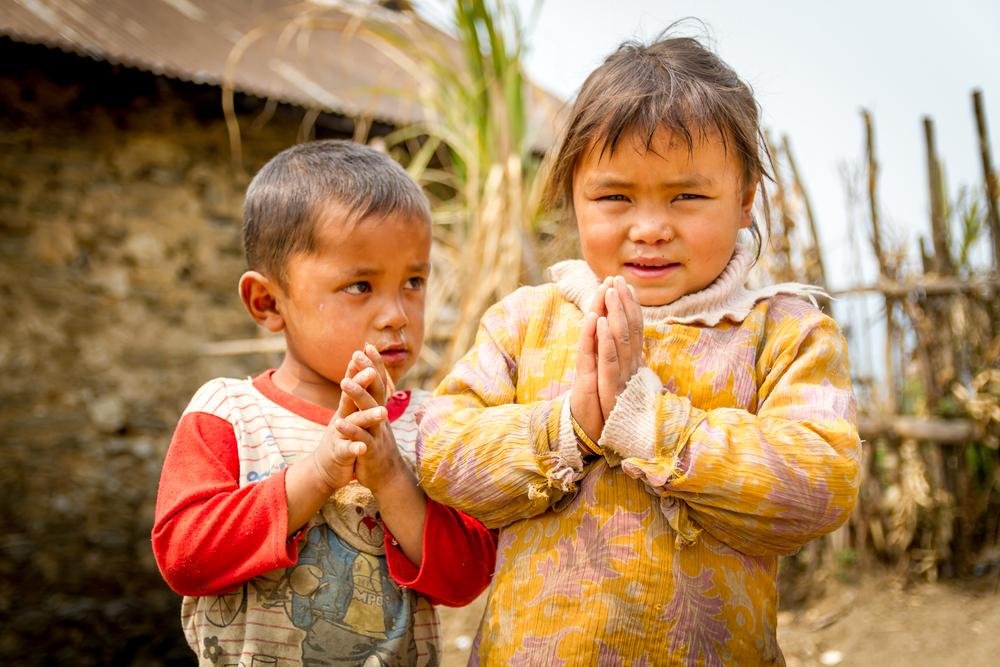
Namaste / Namaskar

⎯⎯⎯⎯⎯ ◆ ⎯⎯⎯⎯⎯
Express "Humanities" in surrealism Humanities

Overview

In this lesson, we explore the meaning and significance of Namaste and Namaskar, including the gesture, etymology, and spiritual purpose.

Objective

Understand the common usage and deeper meaning of the Namaste greeting, including what the gesture symbolizes and why it's practiced.

What You'll Get

You'll learn that Namaste is more than a nice way to end class—it's a gesture with profound spiritual meaning. This includes understanding the root word "namah" as the intention to reduce ego in the presence of another, and how the gesture of hands pressed together at the heart acknowledges the divine spark in each person. You'll discover why the hands are placed at different positions and what the bowing of the head signifies. Whether you're new to using this greeting or want to teach its significance more clearly, you'll have the knowledge to practice Namaste with authentic presence and intention.

Questions Answered Here

  1. What is the common usage and meaning of Namaste?
  2. What gesture accompanies the Namaste greeting?
  3. What is the symbolic meaning of pressing the hands together?
  4. Why are the hands placed at the chest?
  5. What is the meaning of the bowing of the head?
  6. What is the meaning for the gesture without the word?
  7. Why may the hands be placed at the forehead or above the head?
  8. What is the meaning of the root word, namah?

Meaning / Significance

Usage

  • “Namaskar” and “Namaste” are often used interchangeably while some sources make a distinction between the words.
  • The word “Namaste” is frequently used as a greeting in India, and in other places among yogis.

Continue Reading with Ashtanga Tech

This study guide is available to members. Join to access 800+ in-depth guides on anatomy, philosophy, sequencing, and the science of practice.

Join for $5.50/mo — the cost of a DC coffee

Already a member? Log in here

Discussion

Loading comments...

Want to join the conversation?

Join the Discussion

or explore Humanities