
Inflammation & Rheumatism
 Adaptation

Inflammation
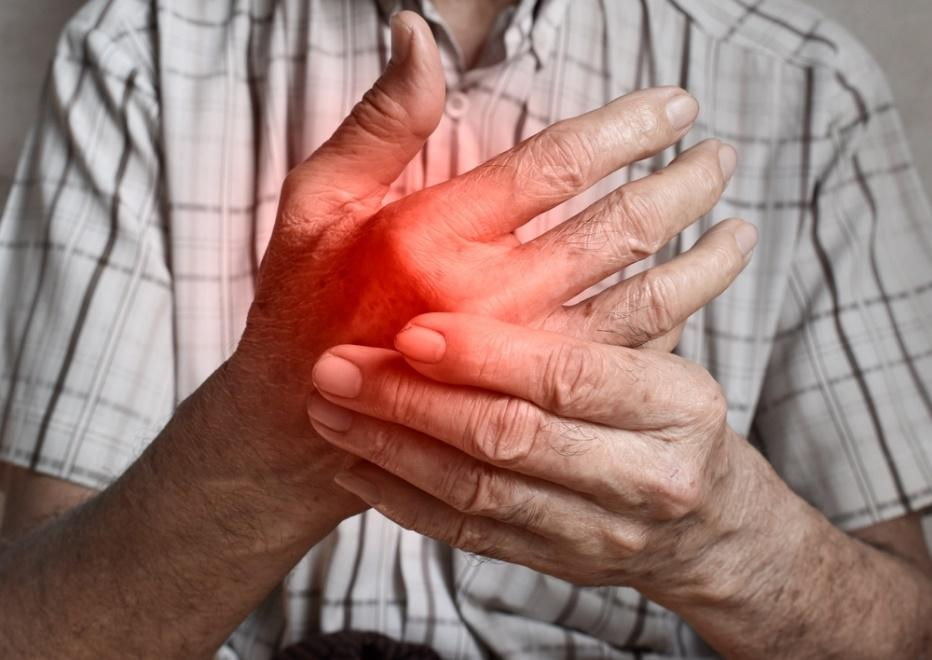
Inflammation is:
- A natural and supportive bodily process, a response associated with the immune system.
- “Your body’s natural defense mechanism against foreign pathogens, toxins, allergens, injuries, and other harm… to protect your body… fight hostile pathogens… and repair tissue damage.” (source)
- A process that appears on the surface of the body as redness, swelling, reduced mobility or pain.
- From an Ayurveda perspective, a condition associated with the fire element.
INFLAMMATION IS A PROTECTIVE REACTION; SETTING ON FIRE
- A localized protective reaction of tissue to irritation, injury, or infection, characterized by pain, redness, swelling, and sometimes loss of function.
- The act of inflaming; the act of setting on fire or of taking fire, actually or figuratively.
- A fiery, heated, or inflamed condition…
– The American Heritage Dictionary
INFLAMMATION IS A COMPLEX & NECESSARY PROCESS FOR ACUTE SITUATIONS
This complex process [of inflammation] helps your body to produce antibodies and cytokines… Inflammation is clearly necessary and a friend to your body when it comes to acute infections or injuries… Acute inflammation starts quickly, usually within minutes… It may last for a few days or in some cases a few weeks, but decreases gradually and disappears upon recovery. Signs of acute inflammation may include pain, swelling, redness, heat, itching, or in case of respiratory issues or allergies, sneezing, coughing, congestion, and watery eyes. Chronic inflammation is different. Low-grade, chronic inflammation is systemic. – Dr. David Jockers
HOW IT WORKS
“A classic example of inflammatory onset is the bee sting—the site becomes hot, red, swollen, and painful,” says Derek Gilroy, a professor of immunology at University College London. This response comes from a series of biological changes: blood vessels dilate to deliver white blood cells to the site of injury, making tissues turn red. Fluid also floods the site, causing swelling. The molecules that trigger these vascular transformations precipitate the itching, pain, and fever associated with inflammation. White blood cells, the body’s first responders, then swarm and kill the invaders. Under normal circumstances, this carnage is contained, with the initial inflammatory response subsiding within 24 to 48 hours. – Connie Chang
Chronic Inflammation / Rheumatism

Continue Reading with Ashtanga Tech
This study guide is available to members. Join to access 800+ in-depth guides on anatomy, philosophy, sequencing, and the science of practice.
Join for $5.50/mo — the cost of a DC coffeeAlready a member? Log in here
Discussion
or explore Student Union