
Teaching Beginners Intro & Overview
 Adaptation

Remember the Beginner’s Experience
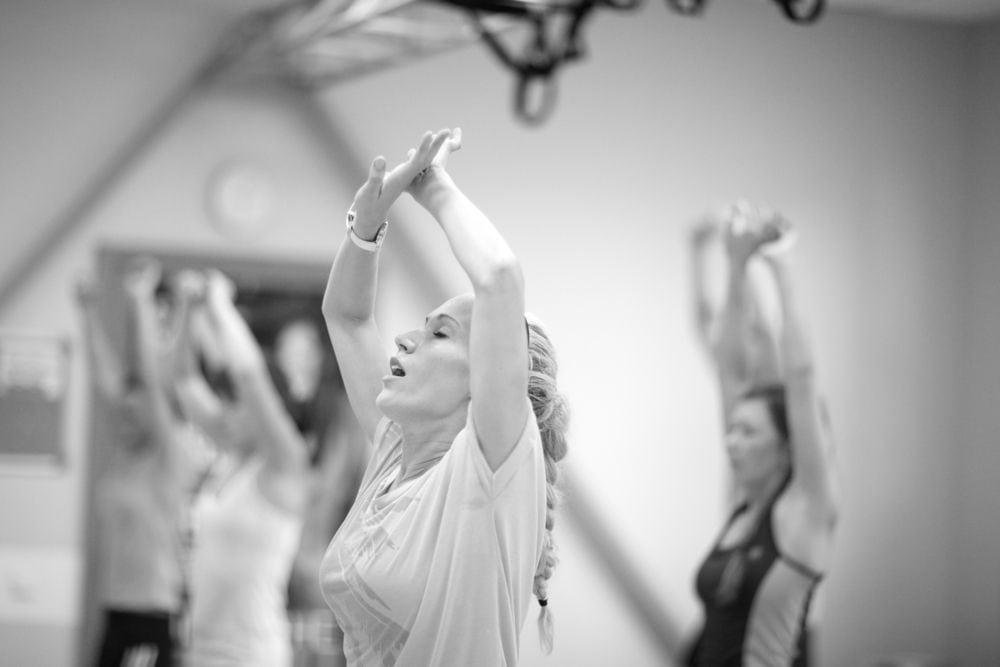
Over time, we may forget what it was like to be a beginner. Here are some reminders!
- It may be “exotic.” The sights and smells in the room may be new. The teacher’s tone and instructions may be unlike any they have heard before.
- Some students will be completely detached from their body and find the requests to move their body in particular ways to be confounding as they attempt to find their body in space.
- Others may have extensive experience in physical endeavors but find the practice and effects of asana to be unique and perhaps even startling.
- As we can recall from the first times we did anything—driving a car on a 3-lane highway, for instance—the brain is busy processing and reacting to everything that is new to it. When we have not yet developed any neural pathways (habits) for sights and experiences, it can be tiring, challenging, exciting or wondrous in ways that routines are not.
- A new student is likely to find asana practice quite challenging. Do you remember how it felt to practice standing poses in your first classes? Holding Virabhadrasana I (Warrior 1 Pose) for five breaths, for example, can be extremely challenging for many students. It takes mental focus to process the instructions, maintain conscious breathing, and keep the attention from wandering. There may be intense sensation from tight hip flexors or a weak core.
- And remember: beginners tend to overwork everything. One sign of experience in anything is to apply just the effort required, without wasting unnecessary energy. Beginners, on the other hand, will tend to tense their face and jaw, hold their breath, and recruit many muscles that needn’t be working. This is mentally and physically tiring.
This first-hand account can serve as a reminder of some of the ways in which a new student may be experiencing his or her first yoga classes:
PERSONAL STORY
[My first class] followed the pattern of most beginning yoga classes… At the time, though, it tasted to me as exotic as a jackfruit milkshake. We pushed back into our first downward dog. It felt like I had bricks in my calves. My flabby hamstrings moaned, and my near-arthritic shoulders shuddered… As the practice continued, my body insulted me in many different ways… [My teacher] wasn’t a master, at least not in the gut-straining, semi-didactic way of some of the big-city mega-yogis I’ve encountered since, but I didn’t need a master. I needed someone kind and competent who wouldn’t kill me. She explained the simplest poses in very clear language, keeping the pace slow and gentle; she was the perfect teacher for beginners. – Neal Pollack
Overview of Considerations

Here you’ll find considerations for teaching students who are new to the physical practices of yoga. We have organized our support for teaching beginners into these categories:
- Be thoughtful and supportive.
- Teach beginners with particular care.
- Promote safety.
- Sequence mindfully and simply.
- Teach clearly.
- Be mindful in choosing pose versions.
Don’t Miss The Deeper Teachings!
Here we are simply introducing these topics, giving you a bigger picture perspective and the ability to choose your areas of interest.
See Also
- Teaching Seniors – The considerations for Beginners are likely to be applicable for teaching Seniors as well. However, teaching Seniors typically requires additional training, study and experience.
- Teaching Wise Practice – These are fundamental and powerful points of focus that support all asana and go beyond it.
- Stepping into New Territory – Review basic philosophy and inspiration for moving into a new area of teaching.
Continue Reading with Ashtanga Tech
This study guide is available to members. Join to access 800+ in-depth guides on anatomy, philosophy, sequencing, and the science of practice.
Join for $5.50/mo — the cost of a DC coffeeAlready a member? Log in here
Discussion
or explore Student Union