
Yin Yoga Overview
 Yoga Techniques and Fitness
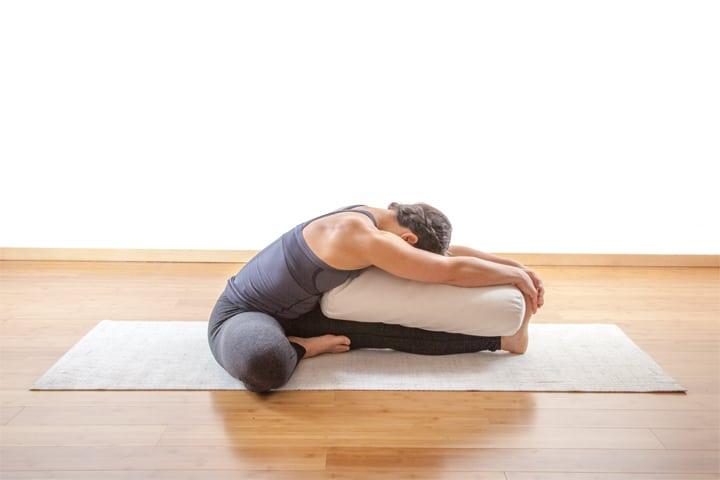
Overview
In this lesson, we discuss the intention, effects, and primary principles of Yin Yoga practice.
Objective
Gain a foundational understanding of the theory and principles underlying the style of yoga called Yin Yoga.
What You'll Get
Explain the primary intention of Yin Yoga and how it is different from yang practice. Describe the principles of Yin Yoga practice.
Lesson Overview
In this lesson, we discuss the intention, effects, and primary principles of Yin Yoga practice.
Objective
Gain a foundational understanding of the theory and principles underlying the style of yoga called Yin Yoga.
Description
Explain the primary intention of Yin Yoga and how it is different from yang practice. Describe the principles of Yin Yoga practice.
Two Different Perspectives
The word “yin” when used in the context of yoga can refer to either:
- Yin in quality, or
- The style of practice called “Yin Yoga”
In other words:
- Meditation, Restorative Yoga, and other yoga practices and styles can be yin in nature, for example.
- But Yin Yoga refers to a style of practice that is based on a specific theory and practice.
- Yin Yoga is, of course, yin in nature but it also refers to a particular theory and style of practice. This section is devoted to the style of practice called Yin Yoga.
General Benefits / Effects
- As with other yin practices, Yin Yoga is intended to bring balance to yang practices that generate heat and focus on muscular engagement and muscular stretching, for example.
- As with nearly all yoga practices, Yin Yoga tends to help balance the nervous system, a vital reason for yoga’s many benefits. Being yin in nature, Yin Yoga encourages slowing down and invites parasympathetic activation.
- Yin Yoga specialists including Sarah Powers and Josh Summers speak of the effect of Yin Yoga on energy deficiency and stagnation, leading to resolution of various physical and mental conditions.
- Because of the long holds in Yin Yoga, a significant aspect of the practice centers around presence and mindfulness.
YIN YOGA ADDRESSES ENERGY DEFICIENCY AND STAGNATION
The Traditional Chinese Medicine (TCM) approach to health is promoting a harmonious balance between Yin and Yang energies… Different yoga styles influence the Qi [prana] in different ways. Yin and restorative practices are great if you’re suffering from Qi deficiency: low energy, poor appetite or digestion, a weak voice, or chronic illness. Stagnant Qi — which manifests as pain, tension, stress, or irritability — settles in your joints. Yin Yoga gently stresses the joints to loosen that stagnation and restore the relaxed flow of Qi. After that, an active, or Yang, yoga practice will pump fresh Qi through these areas, and you’ll feel renewed. Yin and Yang Yoga go together beautifully—like, well, Yin and Yang!– Josh Summers
STAYING WITH PHYSICAL AND EMOTIONAL SENSATIONS
I practice yin yoga as a way to learn to cope with being truly uncomfortable, both physically and emotionally. Yin is so much more challenging for me than active yoga. Sitting and staying with the physical and emotional sensations that arise is difficult, but also rewarding as I learn to surrender and accept what arises. – Student, Seattle Yoga News
STRENGTH, BALANCE, PEACE OF MIND
Yin changed my life. Yin has helped me gain my strength, balance and peace of mind after several serious injuries. The physical work helps me build strength, as well as trust in myself. The time to hold positions also helps me quiet my mind and bring peace to my heart. I feel safe to practice at my own pace and modify when I need to. I also feel the kind of balance that helps me through my day. – Student, Seattle Yoga News
Continue Reading with Ashtanga Tech
This study guide is available to members. Join to access 800+ in-depth guides on anatomy, philosophy, sequencing, and the science of practice.
Join for $5.50/mo — the cost of a DC coffeeAlready a member? Log in here