
Hip Issues Introduction
 Adaptation
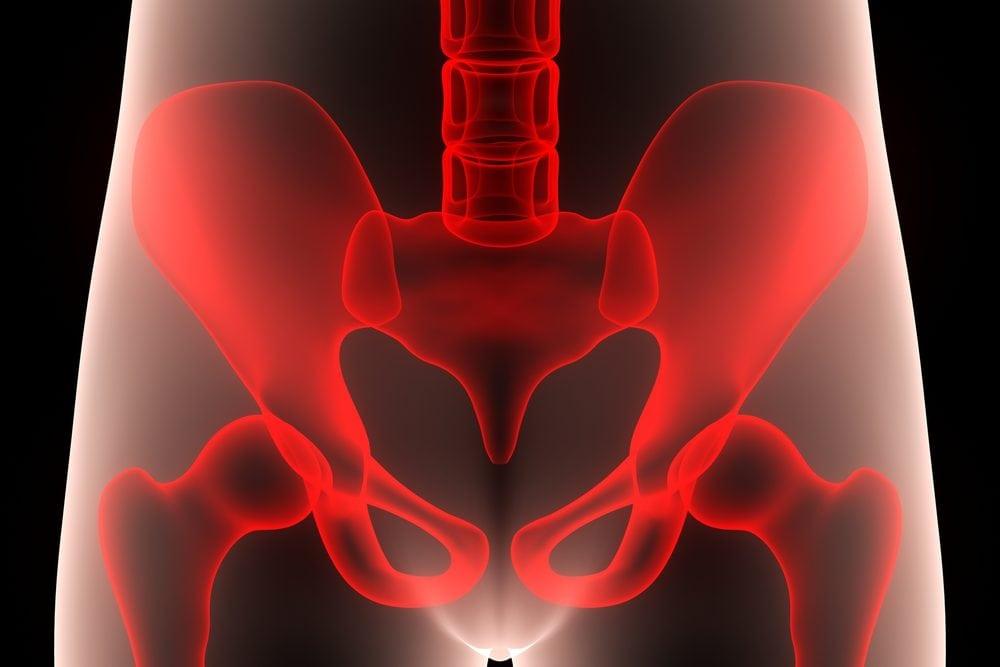
Overview
In this lesson, we explore the complex subject of hip pain.
Objective
Become familiar with potential causes of hip pain and teaching considerations for supporting students in preventing, relieving or accommodating hip pain.
What You'll Get
Describe factors that can lead to hip pain, including specific musculoskeletal conditions and structural issues. Explain why focusing on the glutes may help to prevent or relieve hip pain. Note the floor positions that may work best when practicing yoga or exercise and why it’s important to balance the tone of the adductors and gluteus medius. Describe an action that students can undertake to help bring about that balance and a yoga tool that can help. Explain a potential factor in the experience of pain after hip stretching and what you should do if you encounter a student who has had hip replacement surgery.
Closely Related Study Material
See the following closely related material as needed:
- Anatomy – The Pelvis
- Anatomy – Hip Muscles
- Anatomy – Pelvic Floor
- Common Problems in Cueing for Spinal Alignment (including pelvic tucking)
Potential Causes of Hip Pain
Hip pain can stem from:
- Injury or Accident
- Osteoarthritis – “the age-related wear and tear” caused by repeated movements, old trauma, infection or injury (Baxter Bell MD)
- Rheumatoid Arthritis – autoimmune disease that causes an inflammatory response in the body
- Other Musculoskeletal Issues including muscle or tendon strain, or cumulative stress
[It’s important to note] that one of the deepest layers of the joint, the cartilage, does not have any nerve endings. This means you may not be aware of any damage to the cartilage until it is too late. Although cartilage doesn’t have nerve endings, the surrounding muscles, tendons, and ligaments do. – Alice Louise Blunden
Continue Reading with Ashtanga Tech
This study guide is available to members. Join to access 800+ in-depth guides on anatomy, philosophy, sequencing, and the science of practice.
Join for $5.50/mo — the cost of a DC coffeeAlready a member? Log in here
Discussion
or explore Adaptation